The process of identifying, evaluating, conserving, and restoring works of experimental cinema can be an unpredictable and atypical one, relating in many ways to common approaches in film archiving, but also potentially departing from those standards in radical ways. Sometimes the unique needs of experimental film can demonstrate in greater visibility the archival concerns of film in general, but often these films require a very individual approach, coupled with a sensitive awareness of the intentions and tendencies of the specific artist and the intrinsic qualities of the film material itself.
The archival care of experimental cinema is not a purely technical endeavor. By necessity it combines aspects of the aesthetic, curatorial, and technical, along with lots of project management, inventory, research, conversation, detective work, diplomacy, and patience. It may also involve digging through a filmmaker’s laundry to find their negatives, convincing them not to re-edit or destroy one of their films, or getting drunk with them on a bottle of tequila.
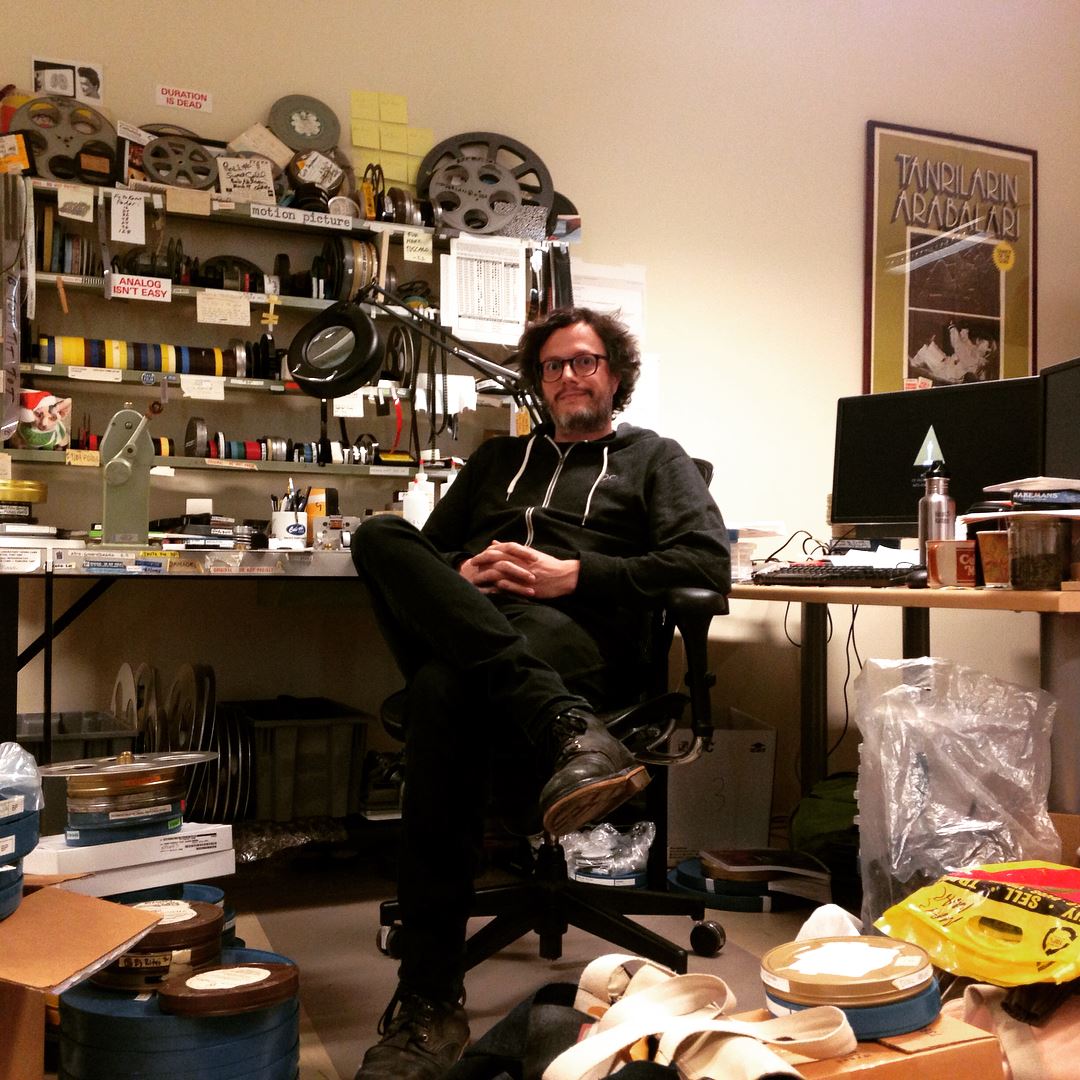
As a film preservationist, I’ve specialized in the conservation and restoration of experimental and independent films at the Academy Film Archive in Los Angeles since 2003. I work with over 100 filmmakers’ collections, and have preserved approximately 450 films, with additional archival work on several hundred more. In this illustrated talk, I will describe and explain some of my process as an archivist and curator of experimental film, as well as explore some detailed examples of the unique challenges that I’ve encountered in my work. (Mark Toscano)
Friday 06/07 | 1:00 pm | CGAI